Introduction to CBD
What is CBD?
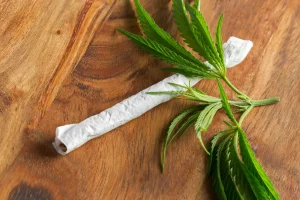
CBD, or cannabidiol, is a naturally occurring compound found in cannabis plants, specifically in the hemp plant. Unlike THC (tetrahydrocannabinol), another compound found in cannabis, CBD does not produce a psychoactive effect, making it an attractive option for those seeking relief from various symptoms without the mind-altering effects of marijuana.
Brief History and Origin
CBD has been used for centuries in various forms. Historical records indicate its use in ancient civilizations for medicinal purposes. However, it wasn’t until recent years that scientific research began to uncover the extensive uses for CBD.
Legal Status of CBD
The legal status of CBD varies by country and even within regions of the same country. In the United States, the Food and Drug Administration (FDA) has approved one CBD-based medication, Epidiolex, for treating seizures associated with two rare and severe forms of epilepsy: Lennox-Gastaut syndrome and Dravet syndrome.
Understanding CBD
The Endocannabinoid System
The endocannabinoid system (ECS) is a complex cell-signaling system identified in the early 1990s. It plays a crucial role in regulating a range of functions and processes, including sleep, mood, appetite, memory, and reproduction. The ECS consists of endocannabinoids, receptors, and enzymes. CBD interacts with this system, potentially offering therapeutic benefits.
Types of CBD
- Full-Spectrum CBD: Contains all cannabinoids, including trace amounts of THC.
- Broad-Spectrum CBD: Includes multiple cannabinoids but no THC.
- CBD Isolate: Pure CBD with no other cannabinoids or THC.
Benefits and Uses of CBD
CBD is praised for its potential to alleviate various conditions, including chronic pain, anxiety, insomnia, and inflammation. Research suggests that it may also help with specific medical conditions like epilepsy and potentially other neurological disorders.
Uses of CBD
Oral Consumption
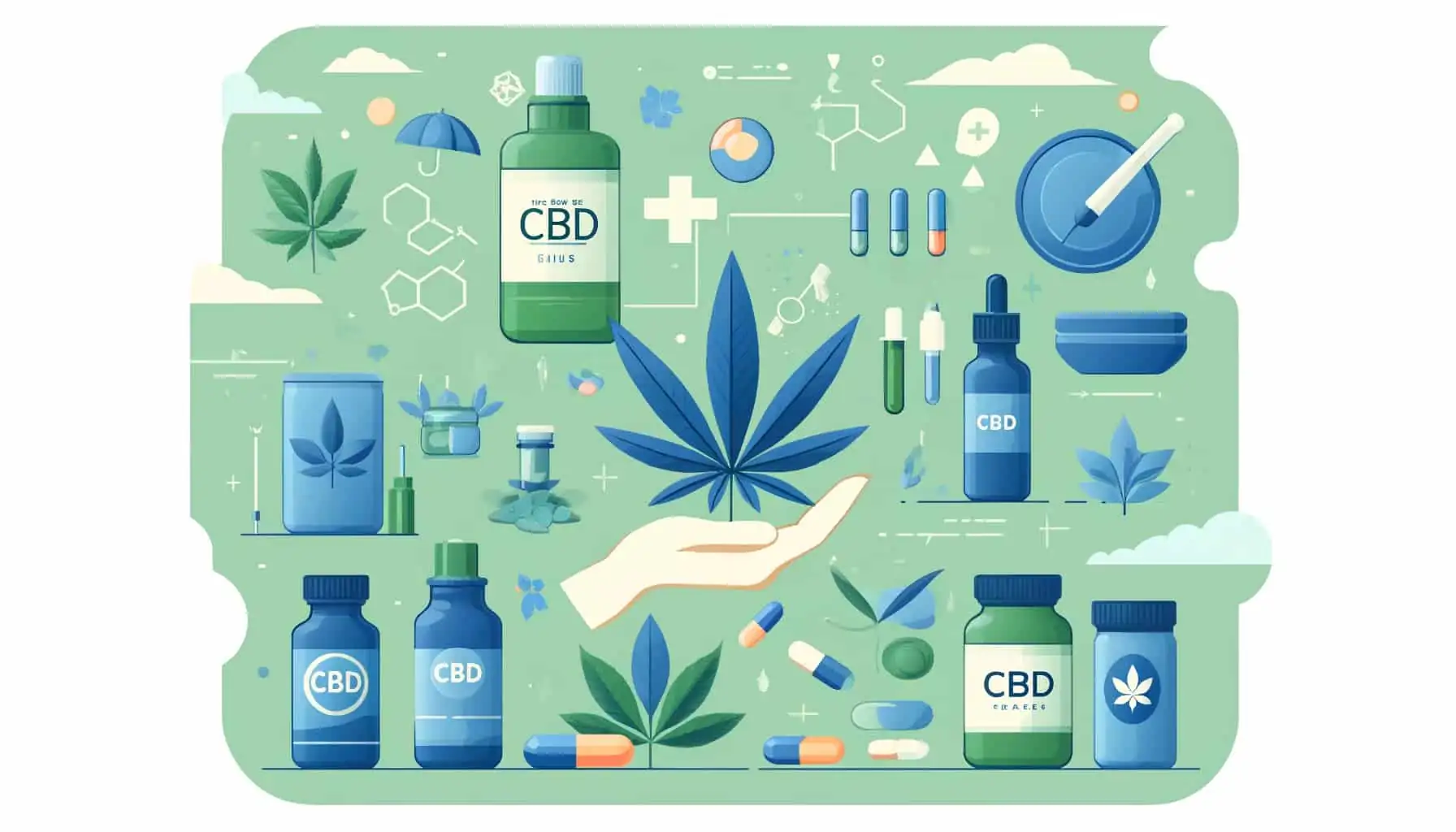
- Tinctures and Oils: CBD oil and tinctures are popular methods for consuming CBD orally. They are taken by placing drops under the tongue, allowing for quick absorption into the bloodstream.
- Capsules and Edibles: CBD capsules and edibles, such as CBD gummies, are convenient and discreet. They provide a pre-measured dose of CBD, making it easier to monitor intake.
- Beverages: CBD-infused beverages are also becoming popular, offering a refreshing way to consume CBD.
Inhalation
- Vaping: Vaping CBD involves inhaling vaporized CBD oil through a vape pen or e-cigarette. This method provides rapid relief as the CBD enters the bloodstream through the lungs.
- Smoking: Smoking cannabis-derived CBD flowers is another method of inhalation, though it may not be suitable for everyone due to the potential risks associated with smoking.
Topical Application
- Creams and Lotions: Topical CBD products, such as creams and lotions, are applied directly to the skin. They are often used to target localized pain or inflammation.
- Balms and Salves: Balms and salves are thicker forms of topical CBD, providing a more concentrated application for sore muscles and joints.
Sublingual Use
- Sublingual Drops: Sublingual drops are placed under the tongue for quick absorption. This method bypasses the digestive system, allowing for faster effects.
- Sprays: CBD sprays are another sublingual option, offering a convenient way to administer CBD.
Other Methods
- CBD Patches: CBD patches provide a steady release of CBD over time and are applied to the skin like a bandage.
- CBD Bath Bombs: CBD bath bombs dissolve in water, allowing you to soak in a relaxing, CBD-infused bath.
Dosage and Administration
Determining the Right Dosage
Finding the right dosage of CBD can be challenging as it varies depending on the individual’s weight, metabolism, and the condition being treated. CBD does not have a one-size-fits-all dosage, and it requires some experimentation to find the optimal dose. Here are some general guidelines to help you get started:
- Weight: Generally, individuals with higher body weight may require higher doses to experience the effects of CBD.
- Metabolism: A faster metabolism may process CBD more quickly, potentially requiring higher or more frequent doses.
- Condition Being Treated: The severity of the condition also influences dosage. For example, chronic pain might require higher doses compared to general wellness or mild anxiety.
Factors Influencing Dosage
Several factors can influence the dosage of CBD that you need:
- Form of CBD: Different forms of CBD (such as CBD oil, CBD capsules, topical CBD, and CBD gummies) have varying bioavailability. For instance, inhalation methods like vaping deliver CBD quickly into the bloodstream, whereas edibles take longer to produce effects.
- Concentration of CBD: Products have different concentrations of CBD. For example, a CBD oil might have 500 mg of CBD per 30 ml bottle, whereas another might have 1500 mg per 30 ml bottle. Understanding the concentration helps you determine how much to take.
- Individual Tolerance Levels: People vary in how they respond to CBD. Some may be more sensitive and require lower doses, while others might need higher doses to achieve the same effect.
How to Measure and Adjust Dosage
Finding the right dose involves careful measurement and adjustment based on how your body responds. Here are steps to help you measure and adjust your dosage effectively:
- Start Low and Go Slow: Begin with a low dose, typically 5-10 mg of CBD per day. Monitor how your body responds over a few days.
- Gradually Increase: If you do not experience the desired effect, gradually increase the dose by 5-10 mg every few days. This allows your body to adjust and helps you find the minimal effective dose.
- Monitor Effects: Keep a journal to track your dosage and effects. Note any changes in symptoms, side effects, or overall well-being. This information is valuable in adjusting your dose accurately.
- Consult a Healthcare Provider: If you are taking other medications or have underlying health conditions, consult with a healthcare provider. They can help you determine a safe and effective dosage and monitor for any potential drug interactions.
- Consider the Timing: The timing of your dose can also affect how CBD works for you. Some people find it helpful to split their dose throughout the day, while others prefer taking it at a specific time, such as before bed for better sleep.
Safety and Side Effects
Common Side Effects
Common side effects of CBD may include dry mouth, diarrhea, reduced appetite, drowsiness, and fatigue.
Potential Interactions with Other Medications
CBD can interact with other medications, affecting how they work. It’s crucial to consult with a healthcare provider to avoid adverse drug interactions.
Guidelines for Safe Use
To ensure safe use, choose high-quality CBD products, start with a low dose, and consult with a healthcare provider, especially if you are taking other medications.
Choosing Quality CBD Products
Reading Labels and Certificates of Analysis (COAs)
Look for products with clear labeling and third-party testing results to verify purity and potency.
Recognizing High-Quality Products
High-quality CBD products are made from organically grown hemp, free of pesticides and harmful chemicals.
Avoiding Low-Quality and Fake Products
Be wary of products that make exaggerated claims or do not provide transparent information about their sourcing and testing.
Frequently Asked Questions about Uses of CBD (FAQs)
How Long Does CBD Take to Work?
The effect of CBD can vary based on the method of consumption. Sublingual drops can take effect within 15-45 minutes, while edibles may take longer, up to 2 hours.
Can You Overdose on CBD?
While CBD is generally considered safe, taking extremely high doses can lead to unpleasant side effects. It’s important to use CBD responsibly and within recommended guidelines.
Is CBD Addictive?
CBD is not considered addictive and has a low potential for abuse.
Can CBD Make You Fail a Drug Test?
Full-spectrum CBD products contain trace amounts of THC, which could potentially show up on a drug test. Opt for broad-spectrum or CBD isolate products if this is a concern.
Conclusion
CBD offers numerous potential benefits for various medical conditions. It’s available in multiple forms, allowing for flexible use based on individual needs and preferences.
Always start with a low dose, choose high-quality products, and consult with a healthcare provider to ensure safe and effective use.
Continued research and consultation with healthcare professionals can provide further insights into the benefits and proper use of CBD. Click here to join our club and learn more about Cannabis.